
Fulvic Acid for Dogs
A veterinarian and a naturopathic doctor sat down to talk about fulvic acid — what it is, where it went, and why they both put it in their own dogs' water.
Dr. Tom Walsh runs a canine rehabilitation practice and is candid about the gap in his own veterinary training: one nutrition class, mostly calories. Stuart Hoover, ND spent nearly three decades in healthcare and once kept a product room with 300 supplements in it, before deciding most of it was management rather than health.
What follows is the substance of their conversation. The full thirty minutes is embedded further down, unscripted and unedited.
What fulvic acid actually is
It comes out of the dirt. That isn't a marketing line — it's the whole story.
When plants decompose back into soil, they leave behind what farmers call humate. Inside that humate are two small molecules, humic and fulvic, and their job is to pull minerals and trace elements up out of the ground and carry them into the plant through the roots. The animal eats the plant. The same molecules keep doing the same job inside the body, moving nutrients and minerals across the cell membrane.
"These little molecules are nature's best transporters for getting things into the cell."
Stuart Hoover, NDThat was the arrangement for a very long time. Then commercial farming stopped resting fields, started spraying, and the biological activity in the topsoil largely stopped. The minerals stopped making the trip up into the plants — which means they stopped making the trip into your dog's bowl.
Fulvic acid supplementation is a way of putting that transport system back. Not a new compound and not a novel drug — a piece of soil chemistry that used to arrive in food by default and mostly doesn't anymore.
Why nobody gets taught this
"In vet school we got one nutrition class. Calories, weight loss, proper food. Dogs eat dog food, horses eat hay, keep moving."
Dr. Tom Walsh, DVMWalsh is blunt about the gap in his own training. Hoover — who came up through functional health, where nutrition is the education — spent decades watching the same pattern from the other side.
What they both kept running into: owners who would decline care for themselves and spend it on the dog instead. Retirees whose children have moved out. Couples who chose pets over kids. People for whom this animal is genuinely the center of the household. Those owners ask good questions and get very little to work with, because the food is assumed to have handled it.
What these two observe
These come from Dr. Walsh's clinical work in his rehabilitation practice and Stuart Hoover's decades of consulting — not from a controlled trial. Every dog is different, and your veterinarian knows yours.
USUALLY FIRST
Energy and vitality
The most common early call: "this dog is just different." Owners describe an older animal moving more like it used to.
EASY TO SEE
Coat and skin
The change owners notice without being told to look for it — and often a signal that things are settling down in the gut.
UNDERRATED
Real hydration
Water in the bowl isn't the same as water in the cell. Fulvic supports the membrane function that gets it across.
FOUNDATIONAL
Gut and microbiome
Fulvic acts as a prebiotic. Both put the majority of chronic complaints downstream of the gut.
OFTEN REPORTED
Calmer dogs
Better sleep and lower anxiety come up frequently — the reason Hoover first went looking for something for his own rescue.
GIVE IT TIME
Two weeks
Hoover tells everyone to bank on two weeks. Some owners call in days. He'd rather underpromise.
"It's too good to be true. It can't be that simple."
That's Walsh, about halfway through the conversation. He says it out loud because it's the honest reaction, and because the supplement industry has earned every bit of the suspicion attached to it. It isn't meaningfully regulated. Labels get copied. Imported product shows up under names that look like brands you know.
So here is what we are deliberately not telling you:
The claims we're not making
- We are not claiming fulvic acid treats, cures, or prevents any disease in your dog.
- We are not putting a percentage or a number on anyone's outcome.
- We are not suggesting you stop, change, or skip anything your veterinarian has prescribed.
- We are not telling you it works for every animal, because it doesn't.
What we will say is what these two say: it's a foundational input, it's inexpensive, it's a few drops in the water bowl, and the downside of trying it for a month is very small.
Watch the full conversation
Thirty minutes, unscripted, no slides. Soil chemistry, hydration, why dogs eat grass, what to ask a supplement company before you buy, and a detour into whether either of them trusts Amazon.
Who's talking
We'll say the quiet part first: both work with Resona Health and have a financial relationship with the company. Weigh what they say accordingly — and then go watch them say it, because they spend a fair amount of the conversation disagreeing with their own industries.
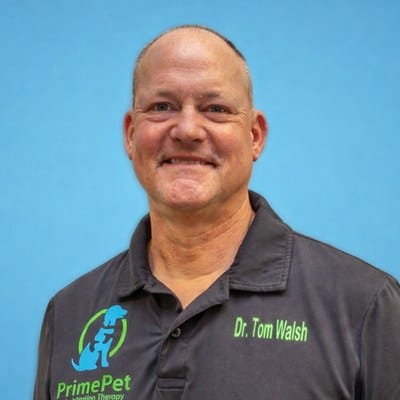
Dr. Tom Walsh, DVM
Veterinarian · Canine rehabilitation
A licensed Doctor of Veterinary Medicine running a canine rehabilitation practice, where every dog gets PEMF therapy alongside laser and hands-on work. Currently finishing a book on the five things every dog needs — environment, exercise, enrichment, nutrition, and a real role in the family. Has his own dog on fulvic.

Stuart Hoover, ND
Naturopathic doctor · Founder, Essential2Health
A naturopathic doctor with nearly three decades in healthcare — beginning in hospital administration and as COO of a regional physical and occupational rehabilitation company — before moving into functional and foundational health. Has two schnauzers, both adopted retired breeders.
How to use it
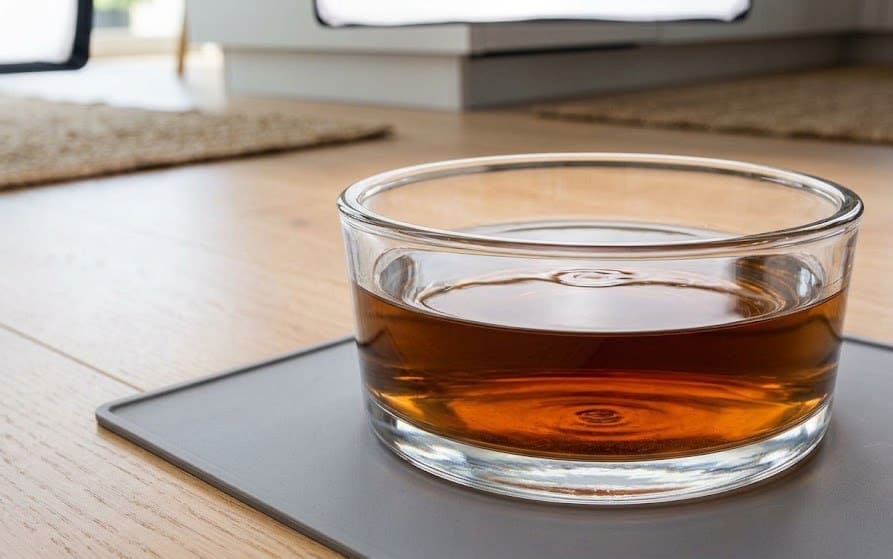
Dose by body weight. Follow the directions on your bottle — dosing scales with your dog's weight, and the same bottle works for larger animals.
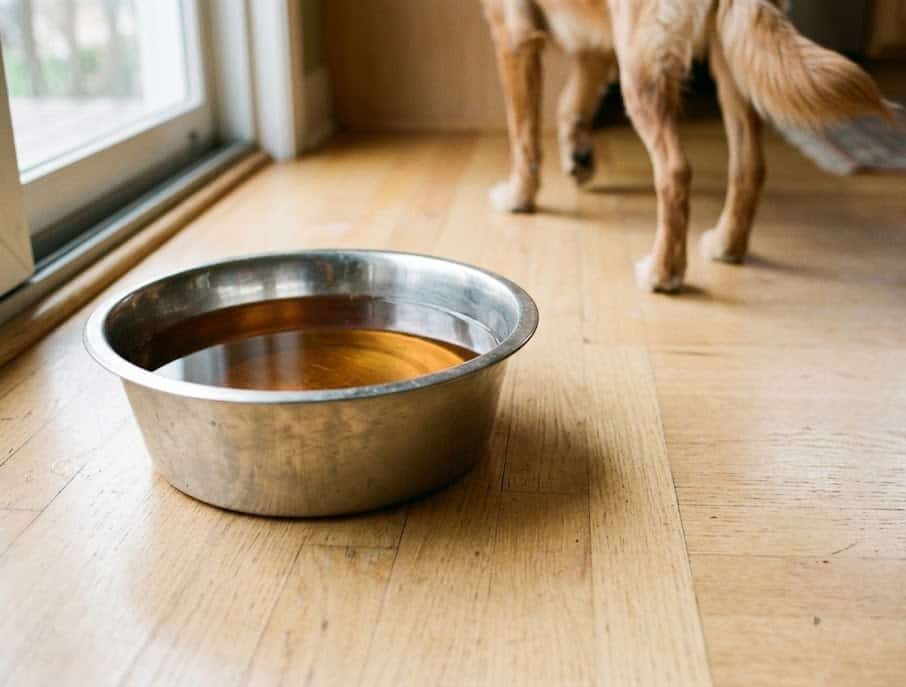
It's odorless and tasteless. The water turns the color of sweet tea and nothing else changes. Both report their own dogs went straight for it without hesitating.
Watch the color. When the water starts running clear again, add more. Dr. Walsh uses a stainless bowl and goes by eye.
Start small. A little goes a long way. Introduce a small amount at first, and talk to your veterinarian about your dog specifically.
How to buy fulvic acid from anyone
Ask for the assays. That's Hoover's advice for buying any supplement, from any company, including this one.
"A good company will be transparent and share that with you."
Stuart Hoover, NDResona's fulvic is US-sourced rather than imported and relabeled, third-party tested for purity, toxicity, and microbial activity by an outside lab, and sold direct — marketplace listings get copied and counterfeited constantly, so buy from the source, ours or anyone's.
Questions owners actually ask
How long before I'd notice anything?
Hoover tells people to bank on about two weeks, particularly for energy and general vitality. Some owners call sooner. He deliberately sets expectations low rather than high, and some dogs won't show a visible change at all.
Will my dog actually drink it?
It's odorless and tasteless — the water changes color, not flavor. Both report their own dogs drank it without hesitation. If yours is particular about water, start with a smaller amount and work up.
Is it safe alongside my dog's medication?
This is a question for your veterinarian, who knows your dog's history and what it's currently taking. Neither is suggesting fulvic acid replaces anything a vet has prescribed — Dr. Walsh prescribes medication in his own practice and is clear there's a place for it.
Can I use the same bottle for my horse?
Yes — dosing scales with body weight, and Hoover has worked with equestrian clients using the same product. Check your bottle's directions for larger animals.
Can I take it myself?
Both do. Dr. Walsh was about ten days in when this was recorded. Human and canine cells work the same way here, which is a large part of why they find it interesting.
Give it one month and watch the bowl.
US-sourced, third-party tested fulvic acid from Resona Health. A few drops a day, for the animal that's been waiting by the door since you left.
Order the fulvic dropsThe fulvic drops are one part of a larger system — PEMF devices, vagus nerve support, and the rest of what Dr. Walsh and Stuart Hoover use in their own work.
Shop all Resona Health productsMaterial connection disclosure: Dr. Tom Walsh, DVM and Stuart Hoover, ND are compensated members of the Resona Health team. Their statements reflect their own observations and opinions.
About the credentials shown: Dr. Tom Walsh is a licensed Doctor of Veterinary Medicine. Stuart Hoover holds a doctorate in naturopathy and is not a veterinarian or a licensed physician; his remarks reflect his experience in functional and foundational health, not veterinary diagnosis or treatment.
Not veterinary advice. This product is a nutritional supplement. It is not intended to diagnose, treat, cure, or prevent any disease in animals or humans. Individual results vary. These statements have not been evaluated by the FDA. Always consult your veterinarian before adding any supplement to your animal's diet, particularly if your animal has a diagnosed condition or is taking medication.