
Top 6 Ailments in Dogs and Cats
PTSD/Trauma
PTSD and Trauma is a condition that occurs in dogs and cats after they experience a traumatic event, such as abuse or a natural disaster. Symptoms of PTSD in dogs and cats may include hypervigilance, anxiety, aggression, and avoidance behavior.
Separation Anxiety
Separation anxiety is a condition that occurs in dogs and cats when they become distressed or anxious when left alone. Symptoms of separation anxiety may include excessive barking or meowing, destructive behavior, and toileting inside the house and outside litter boxes.
Allergies
Allergies can be caused by a variety of things, including food, pollen, and dust. Symptoms of allergies in dogs and cats may include itching, redness, and inflammation of the skin, as well as gastrointestinal upset.
Arthritis
Arthritis is a condition that occurs when there is inflammation in the joints. Symptoms of arthritis may include limping, stiffness, and reluctance to move.
Inflammation
Inflammation in dogs and cats can occur for a variety of reasons, including infection, injury, and chronic disease. Symptoms of inflammation may include swelling, redness, and pain.
Relax and Balance
Relaxation and balance in dogs and cats is essential for their overall health and well-being. Relaxation techniques, such as massage and aromatherapy, can help dogs to relax and reduce stress. Balanced nutrition, exercise, and socialization can help dogs to maintain physical and emotional balance.
Bonus – Wound Healing
PEMF, or Pulsed Electromagnetic Field therapy, has gained significant attention in recent years for its potential to aid in wound healing in dogs. This innovative technology utilizes electromagnetic fields to stimulate cellular repair and regeneration processes within the body. When a dog sustains an injury or undergoes surgery, PEMF can be employed as a non-invasive treatment method to promote faster and more efficient wound healing. The key strength of PEMF lies in its ability to enhance blood circulation by causing vasodilation, thereby delivering increased oxygen and nutrients to the affected area. By doing so, it supports tissue regeneration while simultaneously reducing inflammation and pain associated with wounds. Additionally, PEMF stimulates fibroblast activity, which is crucial in building new connective tissue necessary for proper healing. This therapy also aids in controlling infection by strengthening the immune system response at the site of injury. Overall, PEMF presents itself as a promising avenue for veterinarians seeking effective wound healing solutions that help improve their furry patients’ quality of life without resorting solely to medication or invasive procedures like surgeries.
In conclusion, these ailments in dogs and cats can have significant impacts on their physical and emotional well-being.
Fortunately, the VIBE has a protocol for each one and much more.

and Resona Health Dog Bandanas make it easy and stylish for your dog to wear.

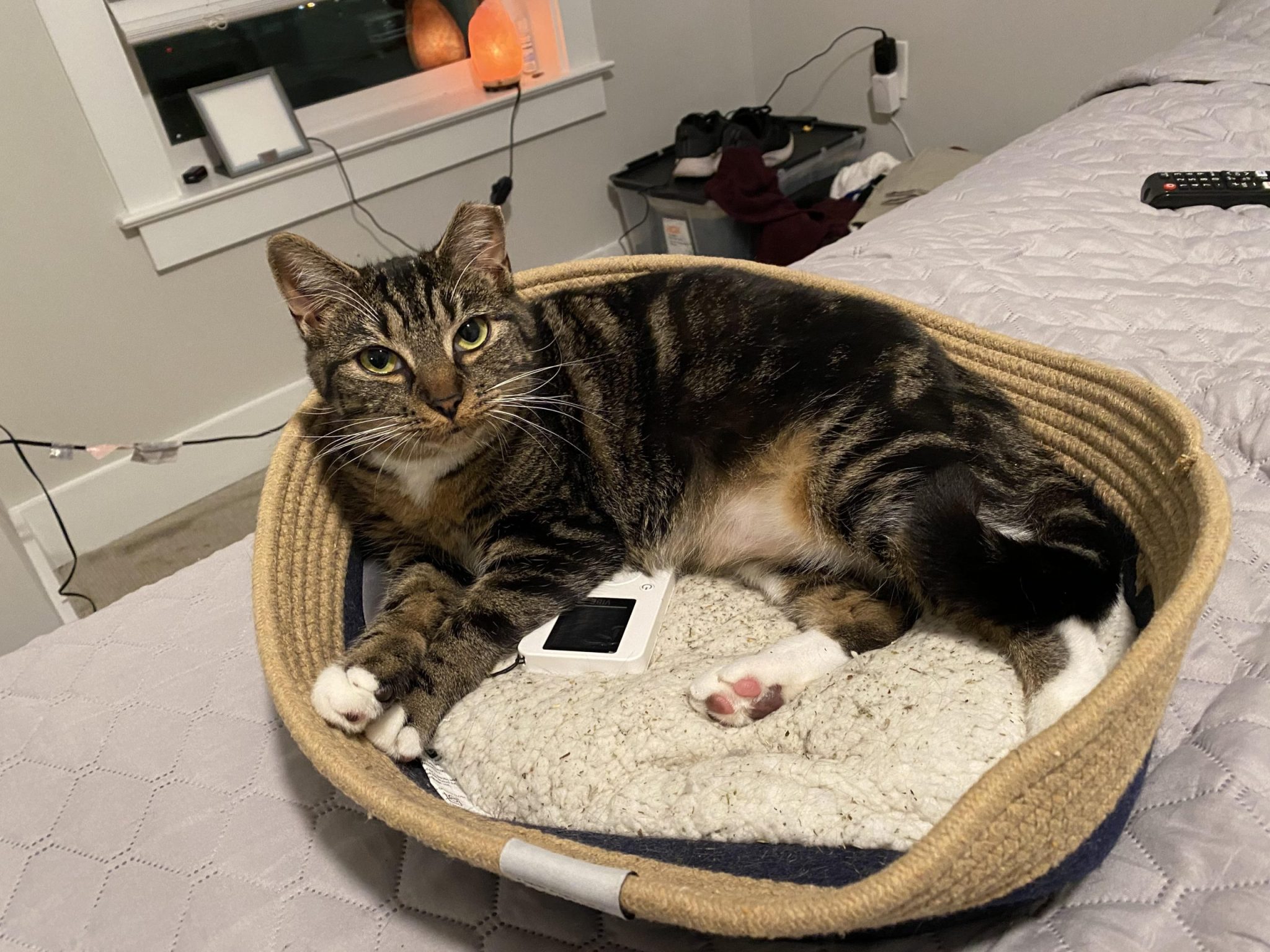
My dog has degenerative myelopathy, early dementia and inflammation/mads in his nose that causes bloody snot. What protocol should I use for all or some of his ailments?
Hi Amy,
For your dog, I’d focus on supporting each concern separately rather than trying to find one protocol for everything. 🐾💛
For the degenerative myelopathy/neurological support, Brain Wave Beta would be a good option. The Brain Wave Expansion guide specifically lists Beta for spinal injuries and includes Theta/Alpha/Beta for neurological conditions such as MS.
For the early dementia, I would recommend Alzheimer’s and Brain Balance. Both are included among the VIBE’s core brain-focused protocols.
For the inflammation and irritation in his nose, General Inflammation would be a good supportive choice.
I’d run the full session of whichever protocol you choose rather than shortening it. You can rotate the protocols based on which issue needs the most support that day.
Because he has a nasal mass and bloody discharge, please continue working closely with his veterinarian as well. The VIBE can be used for general wellness support, but persistent nasal bleeding or changes in the mass really need veterinary monitoring. 🐾💛
Kind regards,
Doris
Customer Support
Resona Health
Thank you Doris! I forgot to also mention he is on potassium bromide for seizures. I do not want to cause a set back with those. He has not had one in a month with the PB. They were occurring a few times a year then more frequently the last 6 months. None since PB. Will the brain protocols help or harm? Also what frequency should I be doing? I did general inflammation yesterday at level 2.
Hi Amy,
Since he has a seizure history and is doing well on potassium bromide, I would not want to recommend changing anything that could potentially disrupt that stability. The VIBE protocol guides we have do not specifically address seizures or the use of Brain Wave protocols alongside potassium bromide, so I would check with his veterinarian before using those brain-focused protocols. The guide does list Beta for Parkinson’s/spinal injuries and Theta/Alpha/Beta for other neurological concerns, but it does not establish their safety for seizure disorders.
For now, General Inflammation is the more conservative supportive option. The Core guide includes this protocol for general inflammatory support.
Since you started at level 2, that’s perfectly reasonable. I’d keep the intensity low initially, run the full session, and see how he responds before increasing it. 🐾💛
Kind regards,
Doris
Customer Support
Resona Health
Sounds good. I will check with the vet first. Thank you!
Will
It help
Aggression in dogs. What menu do I use?
Hi Diane,
Thanks for reaching out.
Yes, many people use the VIBE supportively for calming and behavioral regulation in dogs, including aggression that’s often rooted in anxiety or stress 🐾💙
Protocols to try:
• Vagus Nerve
• Relax & Balance
• Anxiety
These focus on helping calm the nervous system, which can make a big difference in behavior over time.
Tips:
• Start on a low power level (2–4)
• Place it near the collar/neck area or where they rest
• Stay consistent daily
As always, it works best as part of a broader approach (training, environment, etc.), but many pet owners notice a calmer demeanor with regular use.
If you have any further questions or comments, please do not hesitate in reaching out.
Kind regards,
Customer Support
Resona Health
Can I just hold it on them ? Is it the same time frame
Yes but they will lay next to it but the bandana is the best solution